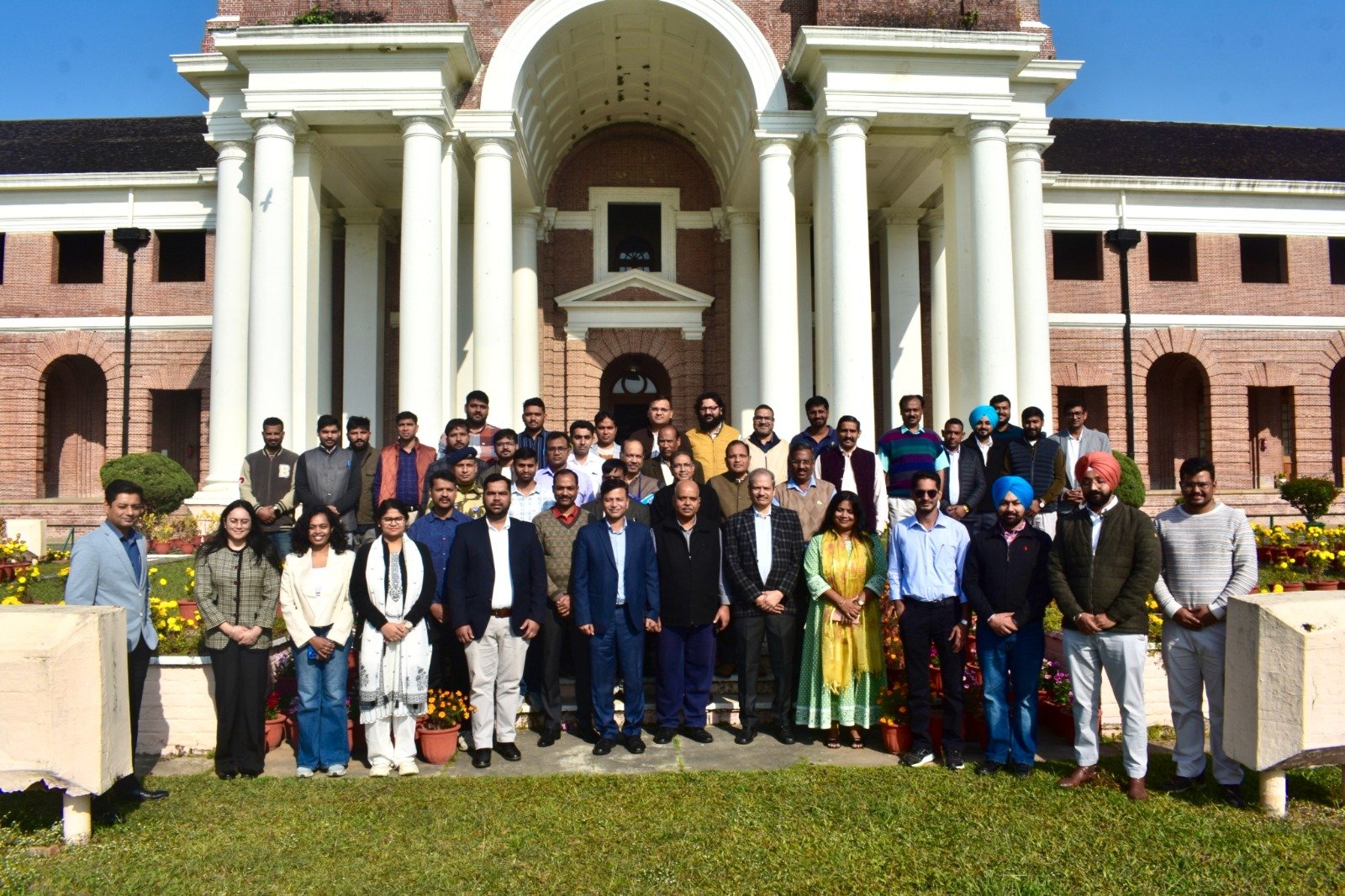

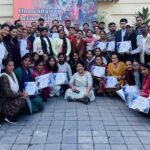



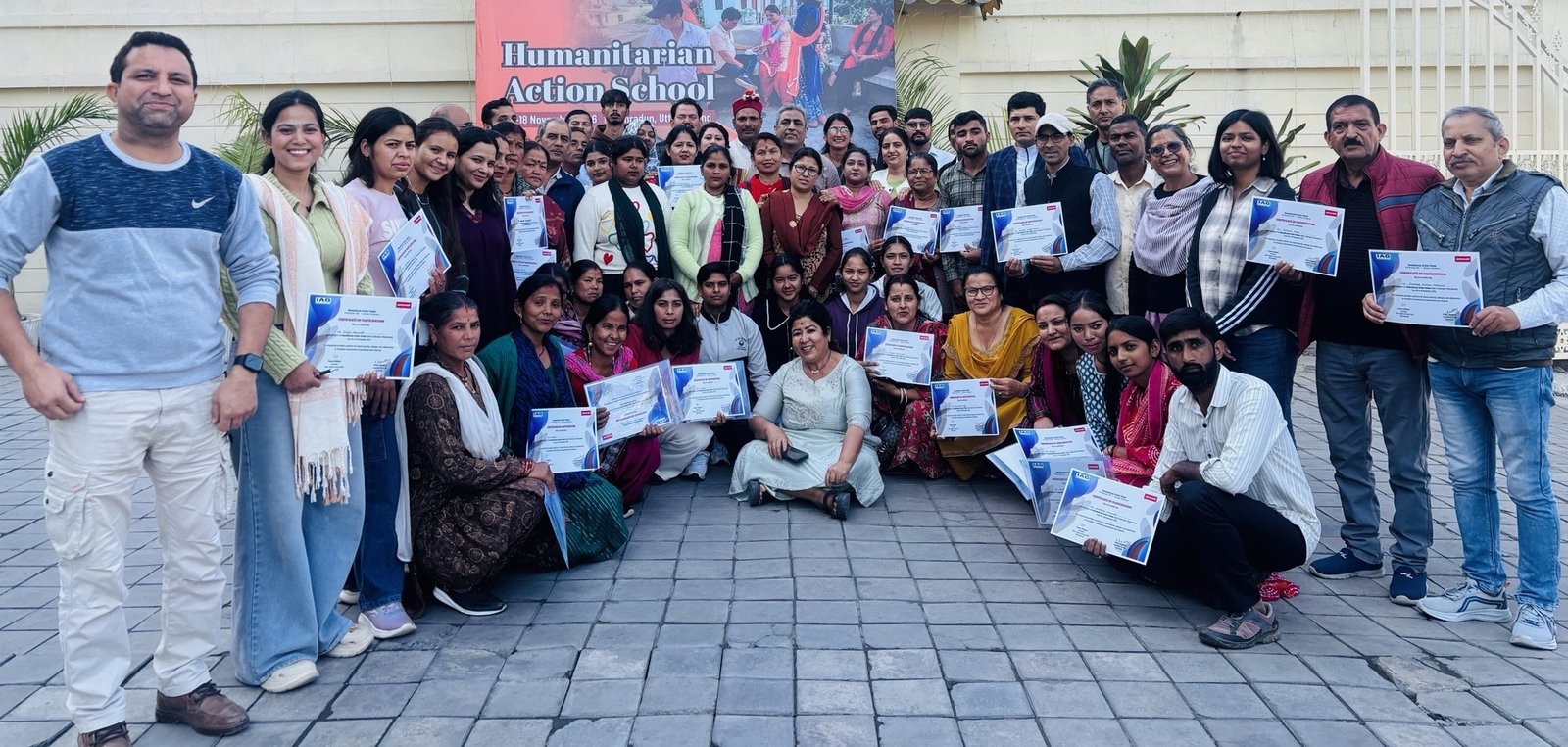
Dehradun: The three-day Humanitarian Action School, organised jointly by ActionAid and the Inter Agency Group (IAG) for community-level first responders in Uttarakhand, concluded . The third day focused on disaster management, risk reduction and the mental health needs of people affected by disasters.
Addressing the participants, Khalid Chaudhary, Associate Director, ActionAid, highlighted that relief and rescue work during disasters must go hand in hand with attention to the mental health of affected communities and awareness about disaster risk reduction. He said that the opportunity to learn from experts and engage with their experiences was one of the key strengths of the workshop.
Dr. P. D. Mathur, Senior Expert with the State Disaster Management Authority, interacted with participants and heard about the disasters and challenges faced in their respective areas. He also shared information about the role and functioning of the Authority. Explaining the different types of disasters, he discussed both natural and human-induced hazards and noted that Uttarakhand’s geography makes it vulnerable to earthquakes, landslides, forest fires, heavy rainfall and cloudbursts.
Dr. Mathur emphasised that disasters can occur at any time, but their impact can be reduced through preparedness and a better understanding of local risks. Referring to the Sendai Framework, he spoke about key priorities such as understanding disaster risks, strengthening governance, investing in risk reduction and improving preparedness and resilience. He also shared information about a pilot project on disaster risk reduction being implemented in 50 gram panchayats in Uttarakhand.
Dr. Malini Awasthi, Senior Psychologist at Himalayan Medical College, spoke about the importance of mental health and psychosocial support during and after disasters. She explained that while the loss of homes, livelihoods and loved ones cannot easily be reversed, timely emotional support can help affected people cope with trauma and stress. She highlighted the important role of first responders, who are often among the first people survivors trust and turn to for support. Listening patiently, communicating with sensitivity, acknowledging people’s distress and helping them meet immediate needs can make a meaningful difference.
Bhagwan Singh Panwar, former Pradhan of Dharali, also shared his personal experience of the disaster in which he lost everything. He recalled that his father had warned him against building a house and hotel near the mouth of the Kheer Ganga stream. However, he had invested his life’s savings there. The floods in August 2025 swept away his home and hotel, leaving him with nothing. His account highlighted the importance of understanding local hazards and taking community warnings seriously.
During the concluding session, participants agreed to take the learning from the three-day training back to their villages and communities. They committed to supporting relief and response efforts during disasters, providing basic mental health support, sharing accurate information and strengthening preparedness at the village level. The participants also agreed to pass on the knowledge gained during the Humanitarian Action School to other community members.
The workshop brought together village representatives, community volunteers and members of civil society organisations from Pithoragarh, Uttarkashi, Nainital, Uttar Pradesh and other areas. Participants included Lalita Devi, Pradhan of Naret village; Sarojini Sipal, Pradhan of Sipu village; Vinita Marchal, Pradhan of Marcha village; Ranjita Dogra, Pradhan of Bagori-Harsil; Bhagwan Singh Panwar, former Pradhan of Dharali; Kusum Ghidiyal, Coordinator of the Inter Agency Group; Bachhi Singh Bisht of Janmitra Sangathan; Kalpana Thakur; Kushala Negi; Rajendra Chauhan; Karan Singh Panwar; Aranya Ranjan; Yatish Pant; Gurvinder Gill; Kamla Bisht; Prajjwal Uniyal; Divya Budakoti; Nisha Bhandari; Tanisha; Khushi; Anmol Bisht; Maya Bhagat Singh Rana; Rambriksh Giri; Qamar Intekhab; Tariq Ahmad; Dinesh; Reshma Parveen; Sonam; and other community-level representatives from different organisations.
The workshop aimed to strengthen the capacity of community-level first responders so they can support people during disasters—not only through relief and response, but also by providing information, emotional support and assistance to affected communities.