






Dehradun: For years, kidney disease in India has been dismissed as an old person’s problem. However, younger adults are now being diagnosed with kidney problems, particularly when risk factors such as diabetes, high blood pressure, obesity, poor dietary habits, and certain medications are present.
Kidney disease can advance quietly. The kidneys are highly efficient organs, and a person can lose a significant share of kidney function before ever noticing a symptom. This is why waiting for pain or changes in urination before getting checked can sometimes mean missing an important window for prevention.
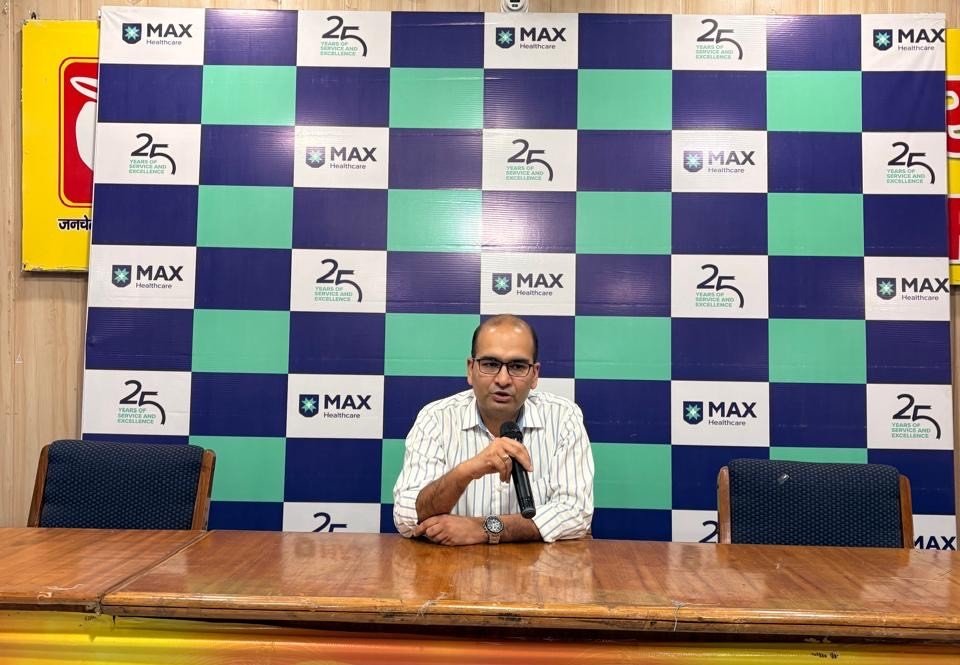
“We are seeing patients in their twenties and thirties coming in with kidney damage that has clearly been developing for years. The kidneys don’t send out an early warning system the way other organs do, which is exactly why young people can’t assume they’re immune to it,” said Dr. Nitish Dev Consultant – Urology, Andrology & Renal Transplant, RG Hospitals, Dehradun.
We have observed a shift in the health profile of younger Indians over the last decade. Sedentary lifestyles, inadequate physical activity, rising obesity and increased consumption of processed, high-salt diets are all contributing to this crisis. Growing rates of diabetes and hypertension are of particular concern, since both conditions gradually damage the kidneys’ small blood vessels and filtering structures over time, meaning a young person with poorly controlled blood sugar or blood pressure can develop kidney damage far earlier than expected.
Dehydration is another risk, especially during extreme heat, among those who work outdoors or exercise intensely, raising the chances of kidney stones and, in severe cases, acute kidney injury. The overuse of self-prescribed medications, particularly NSAID painkillers and unregulated herbal or dietary supplements, is also a growing concern, as some of these may contain substances that are harmful to the kidneys.
By the time symptoms such as swelling around the eyes or ankles, persistent fatigue, foamy or discolored urine, reduced urine output, breathlessness, or unexplained nausea appear, kidney function may already be significantly compromised. Young adults with diabetes, high blood pressure, obesity, a family history of kidney disease, or recurrent kidney stones and repeated urinary tract issues must speak to a doctor about kidney screening. A basic screening typically includes blood pressure measurement, blood tests to assess kidney function, and urine testing for protein or blood, with further investigations recommended based on individual risk.
Protecting kidney health does not require drastic measures. Maintaining a healthy weight, staying physically active, controlling blood pressure and blood sugar levels, limiting excessive salt intake and avoiding unnecessary self-medication can all make a meaningful difference.
Adequate hydration is also important, particularly in hot weather or during strenuous activity, though those with existing kidney, heart or liver conditions should follow their doctor’s specific fluid guidance rather than increasing intake on their own. The goal is not to create anxiety around every symptom, but to raise awareness among young Indians about risk factors and the value of timely screening.